Photography equipment changes quickly. New cameras become smaller, faster and more intelligent every year. Mirrorless cameras are now the standard choice for many professionals, and there is no doubt that technology has made photography more flexible.
But for many photographers, DSLR cameras were the place where the real learning began.
For me, DSLR cameras were not just tools. They helped me understand light, timing, composition and the quiet connection between the person in front of the camera and the person behind it. They taught me that a good photograph is rarely created by the camera alone. It comes from observation, patience and the ability to notice something honest before it disappears.
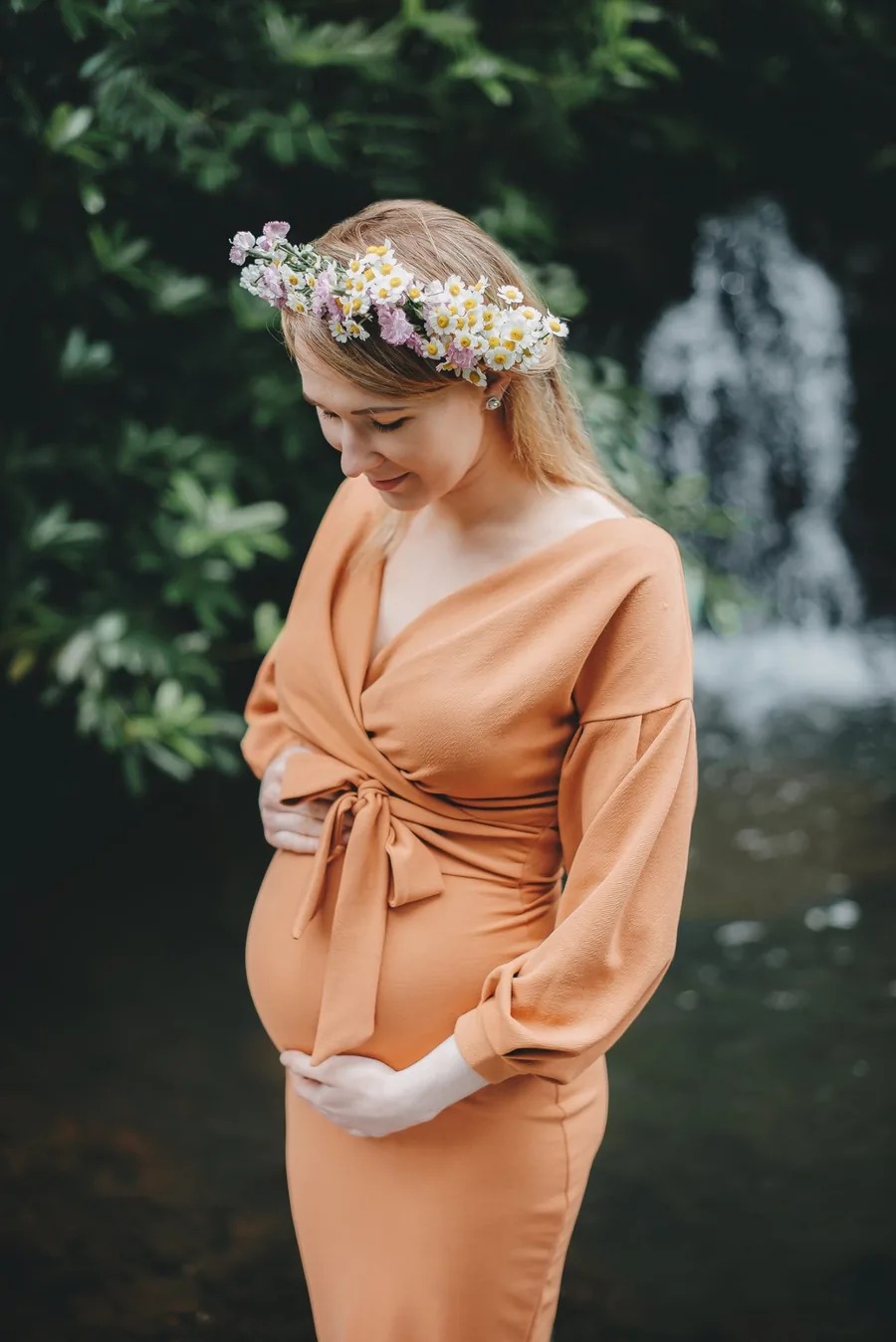
I am Rasa Hokušaitė, the photographer behind Alnwick Photo. I work mainly with portrait, family, children, maternity and pet photography in Uppsala, Sweden. My style is soft, emotional and natural, with a focus on real moments rather than stiff posing.
Written from the perspective of Rasa Hokušaitė, a photographer based in Uppsala, Sweden.
Why DSLR Cameras Are Still Valuable for Learning Photography
A DSLR camera makes you slow down.
That may sound like a disadvantage today, but for learning photography, it can be a strength. You have to think before pressing the shutter. You learn how aperture changes the feeling of a portrait. You learn how shutter speed affects movement. You learn how ISO, light and lens choice all work together.
A DSLR does not do everything for you. It asks you to understand the image before you make it.
That process helped me develop one of the most important habits in photography: looking before shooting.
In portrait photography, this matters a lot. A small turn of the face, a softer expression, a moment of trust or a shift in natural light can completely change the final image. When you work with families, children or pets, those small changes happen quickly. You need to be technically ready, but emotionally present too.
Light Matters More Than the Camera
One of the biggest lessons DSLR photography taught me is that light is more important than expensive equipment.
A beautiful portrait does not always need a dramatic studio setup. Sometimes soft window light, evening light outdoors or a cloudy sky can create a much more natural feeling. The camera records the image, but the photographer decides how to use the light.
For natural portraits, I usually look for light that feels calm and gentle. I like images where the person does not look forced or over-directed. The goal is not only to show what someone looks like, but to show something about their character, mood or relationship with the people around them.
Why the Photographer Matters More Than the Camera
People often ask whether the camera makes a big difference.
Of course, professional equipment helps. A good camera and lens can give better detail, color and depth. But the final result depends much more on how the photographer sees, communicates and directs the session.
This is especially true with people who do not feel comfortable in front of the camera.
A good portrait session is not only technical. It is also psychological. The person being photographed needs to feel safe enough to relax. Children need time. Families need movement. Pets need patience. A maternity session needs sensitivity. A portrait needs trust.
No camera can create that on its own.
That is why I believe photography is not just about pressing a button. It is about creating the right atmosphere for something real to happen.
What DSLR Cameras Taught Me About Timing
DSLR cameras also taught me to respect timing.
In natural photography, the best image is often not the perfectly planned one. It may be the child laughing after a serious pose, the dog suddenly looking at its owner, the small gesture between family members, or the quiet second when someone forgets the camera is there.
These moments are easy to miss if you are only focused on settings or technical perfection.
A DSLR helped me learn to prepare technically before the moment arrives. Once the light, exposure and composition are ready, I can focus more on the person. That is when photography becomes less about the camera and more about connection.
The Role of Imperfection in Natural Portraits
Modern cameras can make images extremely sharp and clean. But sharpness is not the same as emotion.
Some of my favorite portraits are not perfect in a technical sense. What makes them strong is the feeling: the expression, the atmosphere, the small story inside the frame.
This is something DSLR photography helped me understand. A technically good photograph can still feel empty. A slightly imperfect photograph can feel alive.
In portrait and family photography, I always try to find that balance. The image should be professional, but it should not lose warmth. It should be beautiful, but still feel like the person in the photograph.
“My goal is to capture genuine moments and emotions that become timeless memories.”
What Beginners Can Learn From DSLR Photography
Even if many photographers now choose mirrorless cameras, DSLR cameras are still useful learning tools. They teach the foundations clearly:
- how to control light;
- how to understand depth of field;
- how to use lenses intentionally;
- how to wait for the right expression;
- how to compose before shooting;
- how to work with people, not only with equipment.
For beginners, this is important. A camera should not become a shortcut. It should become a way to learn how to see.
A good photographer can create strong images with many different types of cameras. The equipment matters, but vision matters more.
Final Thoughts
DSLR cameras taught me discipline, patience and attention to light. They helped me understand that photography is not only a technical process, but also an emotional one.
Technology will continue to change. Cameras will become faster, lighter and smarter. But the most important part of photography will remain the same: the ability to see people honestly and to capture a moment that feels real.
That is what I try to bring into every session – whether I photograph a portrait, a family, a child, a maternity story or a beloved pet.
The camera is the tool. The photograph begins with the way we see.
Leave a Reply